
Bringing Family Together for a Life Celebration
Understanding the cremation process can bring peace of mind during an emotionally difficult time. Families often turn to cremation services in Allentown, PA not only for economic reasons but also because of the flexibility and simplicity it offers. Despite its increasing popularity, cremation remains a mystery to many. This article gently walks through each stage of the cremation process, providing clear information, easing concerns, and emphasizing the dignity and respect that guide every step.
The Decision to Choose Cremation
Cremation is a deeply personal choice, influenced by cultural, spiritual, financial, or environmental factors. In recent years, the trend toward cremation has grown steadily across the country, including in Pennsylvania, due to its affordability and its compatibility with a wide range of memorial options.
Before the process begins, the family works with a funeral professional to select the appropriate services. These might include a traditional viewing and ceremony before cremation or a more direct option without a service. Each path is valid and tailored to the family’s wishes.
Authorization and Legal Requirements
No cremation can take place without proper legal consent. The family or legal next of kin must sign authorization forms, confirming their wishes for cremation. The funeral director also obtains permits required by the state and ensures all legal documents are in order.
This stage may also involve a consultation to review identification procedures, discuss memorial preferences, and offer grief support services. Transparency and trust are essential, ensuring families feel confident and informed before proceeding.
Identification and Preparation
Once authorization is received, the deceased is respectfully transported to the crematory. A unique identification system is implemented immediately, typically using a metal ID tag that remains with the individual throughout the entire process.
Preparation may include:
- Sanitizing and dressing the body, especially if there will be a viewing or private goodbye
- Removing medical devices or prosthetics that are not suitable for cremation
- Placing the deceased in a combustible, rigid container (usually made of wood or fiberboard) designed specifically for the cremation chamber
These steps uphold safety and respect, providing the family with assurance that their loved one is cared for with dignity.
The Cremation Process Itself
Cremation takes place in a specially designed chamber called a retort, which reaches temperatures between 1400 to 1800 degrees Fahrenheit. The entire process typically takes two to three hours depending on factors such as the body size and the container used.
During cremation:
- The body and container are exposed to intense heat and flames.
- Organic matter is reduced to bone fragments through combustion and vaporization.
- The remaining bone fragments are allowed to cool before being processed into a fine powder.
- The cremated remains, commonly referred to as ashes, are placed in a temporary container or an urn chosen by the family.
Every cremation is handled individually, with strict procedures to ensure that the remains are accurately identified and returned to the correct family.
Return of Cremated Remains
Once the cremation is complete, the ashes are carefully collected and placed in a container. Families have the option to select from a variety of urns, ranging from simple and traditional to custom-designed pieces that reflect the personality of the deceased.
The funeral professional contacts the family to arrange for pickup or delivery of the remains. At this stage, many families choose to:
- Hold a memorial service or celebration of life
- Scatter the ashes in a meaningful location
- Place them in a columbarium, mausoleum, or cemetery plot
- Keep them in the home or in keepsake jewelry
This flexibility allows each family to honor their loved one in a way that feels right for them.
Memorial Options After Cremation
A common misconception is that cremation excludes the opportunity for a memorial. In fact, cremation can expand the possibilities for meaningful tributes. Options include:
- Traditional memorial service: With photos, music, eulogies, and religious or spiritual elements
- Graveside ceremony: If the ashes are to be buried or interred
- Scattering ceremony: At a location with personal or symbolic value
- Private family gatherings: Intimate remembrance at home or outdoors
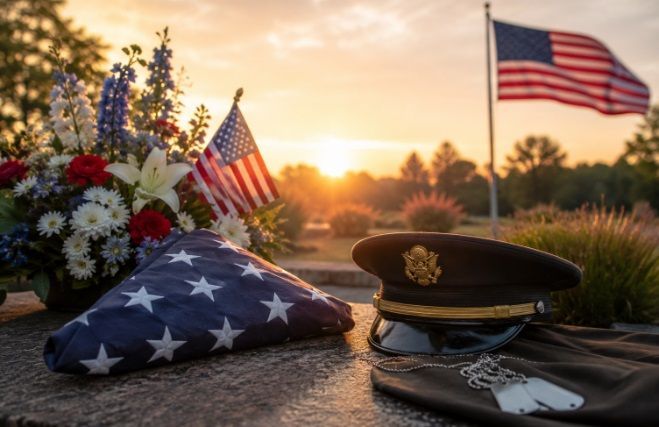
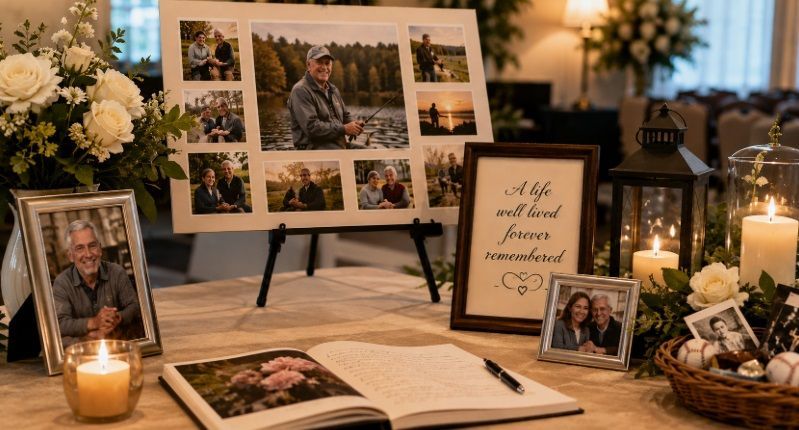
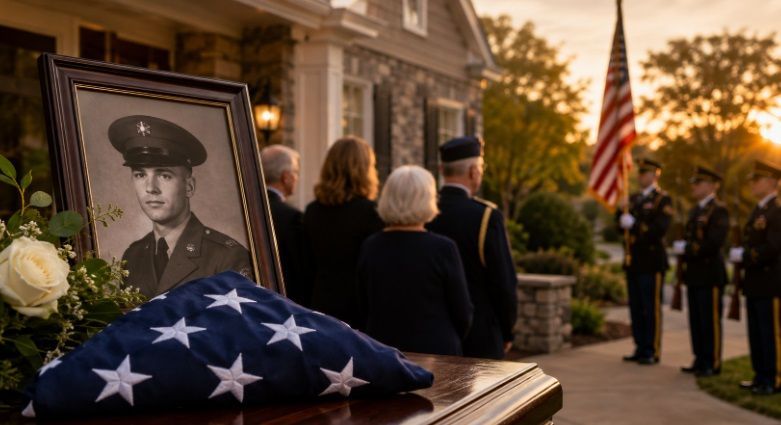
Personalized touches—such as displaying a memory table, creating a tribute video, or including military honors—help transform the service into a heartfelt farewell.
Environmental and Ethical Considerations
Cremation is often selected for its lower environmental impact compared to traditional burial. It eliminates the need for embalming chemicals and caskets, and many crematories now operate with energy-efficient systems. For those who wish to reduce their carbon footprint, there are also biodegradable urns and memorial tree plantings that turn ashes into a living tribute.
It is important to work with a cremation provider that follows strict ethical and environmental practices, ensuring respect for both the individual and the planet.
The Emotional Side of Cremation
For many, choosing cremation is about more than practicality; it is about emotional peace. Cremation allows families to take their time with decisions, providing space for reflection and planning. Some may hold a service weeks or even months later when relatives can gather.
This time can be used for:
- Grieving at one’s own pace
- Coordinating travel for family and friends
- Creating more personalized and meaningful tributes
- Engaging in healing practices such as journaling or memory creation
The cremation process supports flexibility, which can be incredibly comforting during an overwhelming period.
Addressing Common Concerns and Myths
Many families have questions or concerns about cremation. Addressing them early helps reduce stress and increase comfort. Some common misconceptions include:
- Myth: Ashes contain harmful chemicals.
- Truth: Cremated remains are sterile, inert, and safe for scattering or display.
- Myth: Cremation means no ceremony.
- Truth: Memorial services are common and encouraged, with options for personalization.
- Myth: All ashes are the same.
- Truth: Each person’s cremated remains are unique in volume and texture, depending on individual and process factors.
Funeral professionals are available to answer questions with compassion and transparency.
Cost Considerations
Cremation is typically more affordable than traditional burial, but costs vary depending on the services chosen. Options range from direct cremation to full-service packages that include visitation and memorial events.
Working with an experienced cremation provider helps families find a plan that fits their budget while still honoring their loved one’s life meaningfully.
Final Thoughts on Cremation
Cremation is a respectful, meaningful, and flexible choice that serves the emotional, spiritual, and practical needs of many families today. Understanding the process in full helps reduce anxiety, empower decision-making, and allows for the creation of a personal and dignified farewell.
Families seeking cremation services in Allentown, PA benefit from compassionate guidance, detailed care, and options that reflect their values and their loved one’s legacy.
For those ready to begin planning or simply seeking clarity, Falk Funeral Homes & Crematory Inc. offers trusted support through each stage of the cremation journey, ensuring every family feels cared for with integrity and compassion.